

Gas burners serve as the vital heart of heating systems in both industrial sectors and building applications, but flawless and safe operation is only ensured through proper gas burner installation and commissioning. Any slight error during this phase may result in energy loss, higher operational expenses, and critical safety concerns.
This comprehensive guide walks you step-by-step through all stages, from selecting the appropriate burner to final adjustments, ensuring you start up your heating system with full confidence and optimal performance.
For detailed insights on gas burners and their classifications, review the article titled “Gas Burners “.
Key Steps Before Gas Burner Installation
Many costly challenges in heating systems, originate from poor initial gas burner installation. This section helps you implement smart preparation to prevent these issues and ensure a smooth, efficient installation process.
1- Assessing Requirements and Technical Specifications
A precise evaluation of the requirements and technical specifications is important for the correct selection and installation of an industrial gas burner. This step includes the following:
Determining the Precise Heating Capacity
Determining the required heating capacity: To choose the appropriate burner, the heating capacity needed for the system must be determined first. This capacity is usually determined based on heating needs of the building or industrial process. The burner capacity should be selected in such a way that can meet the heating needs fully and efficiently.
Choosing an incorrect burner capacity causes significant problems. A low capacity causes the burner to operate continuously, which leads to accelerated wear and premature breakdowns. Conversely, an oversized capacity makes the burner cycle frequently, which raises fuel usage, lowers efficiency, and harms the equipment.
Compatibility of Gas Type with Burner Configuration and Infrastructure
Burners need to be precisely matched to the available gas type, as each gas possesses unique combustion properties and pressure levels.
- Natural Gas: The prevalent and accessible gas type supplied through the main gas network.
- LPG (Liquefied Petroleum Gas): Used in areas without access to natural gas, supplied via cylinders or tanks. This gas has higher pressure and requires different equipment.
- Other Gases: In specific industrial applications, gases such as hydrogen or biogas may be utilized, necessitating fully customized and specialized burners.
Burners designed for natural gas and LPG are not directly substituted, and using them interchangeably is hazardous. Fuel switching generally necessitates replacing elements such as the burner nozzles and pressure adjustment mechanisms.

Reviewing Burner Technical Specifications
In addition to capacity and gas type, the burner’s technical details should be carefully reviewed to guarantee complete compatibility with the heating system (including boilers or furnaces):
- Efficiency: This value (e.g., 90%) indicates how much of the gas energy converts into useful heat. Higher efficiency means lower long-term costs.
- Physical Dimensions and Connection Type: Does the burner fit within the boiler room or installation site? More importantly, does the burner flange match your boiler’s damper? Mismatches here can stop the entire project.
- Compatibility with Boiler: Essential for the burner to handle the boiler chamber pressure. The flame’s length and shape must be appropriate to avoid contacting boiler walls and causing damage or soot.
Adherence to Legal Regulations and Safety Standards
Different regions may have specific requirements and regulations for gas burner installation. These include safety laws and regulations, building standards, and environmental requirements. Checking and following these regulations is crucial to avoid safety problems.
Evaluation of Quality, Warranty, and After-Sales Support
Industrial gas burners should be of high quality and manufactured by reputable companies. Evaluating quality features, warranty, and after-sales services can help in selecting the right burner and preventing potential problems in the future.
2- Choosing an Appropriate Location for Gas Burner Installation
Choosing the correct location for gas burner installation is vital for achieving efficient operation, ensuring safety, and extending the device’s lifespan. The following points should be considered at this stage.
- Environmental Conditions: The installation location should be chosen based on suitable environmental conditions. This includes assessing temperature, humidity, altitude, and adequate air for combustion.
- Access to Fuel and Ventilation Systems: The installation location should have easy access to fuel lines (such as gas pipes) and ventilation. This accessibility facilitates the installation and maintenance of the burner and helps to prevent potential problems in the future.
- Assessing the Installation Location: The installation location must provide sufficient space for both installation and maintenance. Additionally, the burner should not be put near flammable materials or other heating equipment to minimize potential hazards.

- Compliance with Safety Regulations: It is essential to ensure that the burner installation location complies with all safety regulations and requirements. This includes maintaining safe distances from walls, floors, and ceilings, as well as installing the burner in specified space.
- Assessing Electrical Requirements: Industrial gas burners may require to supply electricity for control and safety systems. Therefore, it’s important to ensure that the installation location is equipped with an appropriate electrical supply and necessary electrical facilities to meet the burner’s energy needs.
Industrial gas burner Installation Steps
Gas burner installation consists of several critical phases, where accurate execution of each guarantees proper function, safety, and prolonged service life. The following outlines the primary installation steps in order.
1- Assembling the Burner and Its Components
This step focuses on firmly attaching the burner to the steam boiler or furnace. It is essential to ensure the burner is perfectly aligned, safely installed, free of any vibrations, and that all mechanical connections are properly secured.

2- Supplying Combustion Air in Gas Burners (Fan)
After installing the burner, it must be connected to the fuel systems and the ventilation system. This includes connecting the gas train to the burner and ensuring that the air supply system operates correctly. Additionally, it is important to check that the fuel system and combustion air supply systems are properly adjusted and that there are no gas leaks.
3- Installation of Safety and Control Systems for Gas Burners
At this phase, the burner’s command and protective system is brought online. Key elements including flame detectors, controllers, and safety relays are mounted and connected. Accurate calibration of these systems guarantees the burner functions smartly within a safe range and reacts promptly and efficiently to any errors or dangerous situations.
Steps for Commissioning an Industrial gas burner
After completing the gas burner installation, the commissioning phase begins, aiming to ensure the burner’s correct, safe, and optimal operation. This process is divided into two main parts: initial pre-start settings and operational testing and adjustments.
1. Initial Adjustment of Gas Burner
The initial adjustment of the industrial gas burner is an important step performed to ensure the proper operation and safety of the burner before long-term use. This step includes several key actions, which are mentioned as follows:
1.1 Checking Connections and Leaks
- Inspect Gas and Electrical Connections: Prior to burner startup, carefully verify that all gas and electrical connections are tight and that no gas leakage is present.
- Inspect Mechanical Connections: Review all mechanical fittings of the burner to ensure correct functionality.
1.2 Adjusting the Pressure of Inlet Gas
- The inlet gas pressure must be adjusted according to the burner’s specifications. Incorrect pressure settings can negatively impact burner performance, leading to issues such as incomplete combustion or reduced burner capacity.
1.3 Adjusting the Control Systems
- The configuration of controllers, such as air damper actuators, fuel valves, cams, temperature settings, and timing, must be verified and calibrated to secure optimal burner functionality.

2. Operational Testing and Adjustment of Gas Burner
It is a critical step to ensure optimal operation and safety of the burner. This step involves evaluating the burner’s performance under operational conditions and making final adjustments to improve efficiency. The following paragraphs delve into details of these steps:
2.1 Initial commissioning of Burner
- Ignition Verification: Ensure the burner starts up gradually and monitor its performance carefully. The flame must remain steady and consistent.
- Inspecting Safety Systems: Safety devices such as flame sensors and pressure switches should be tested to ensure correct operation and to prevent potential hazards.
2.2 Operational Testing with Applied Load
- Evaluating Performance in Operational Conditions: The burner should be evaluated at maximum load or in real working conditions. This includes checking thermal efficiency, fuel consumption, and the effectiveness of combustion systems.
- Final Adjustments: Based on the test results, final settings such as flame size and gas pressure may need to be adjusted.

2.3 Evaluating and Adjusting the Efficiency
- Measuring Burner Efficiency: Evaluate the burner’s operational efficiency by tracking energy consumption and heat generation to verify peak performance.
- Optimization Adjustments: Based on the measurements, burner settings may be modified to achieve maximum performance and efficiency.
Safety Considerations for Installation and Commissioning Gas Burners
Installing and commissioning gas burners is a specialized process where even the slightest negligence can lead to irreversible incidents such as explosions, fires, or gas poisoning. Safety in this process is not a recommendation but an absolute requirement. The following outlines key safety rules to be followed:
1- Gas Safety Precautions
Working with gas, especially during the installation and startup of industrial gas burners, requires adherence to specific safety principles to prevent accidents and serious risks. The following paragraphs highlights the safety precautions for working with gas:
Gas Leak Detection
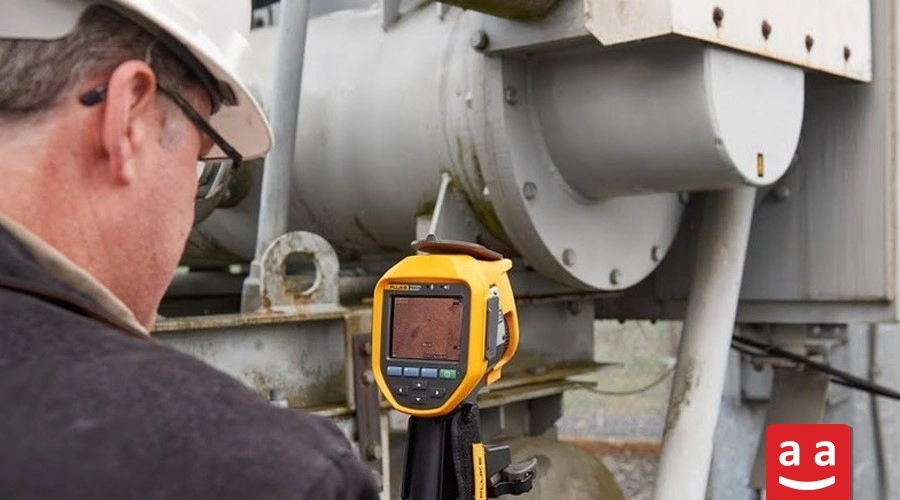
- Gas Leak Testing: After installing the burner, it is important to make sure that leak detection equipment is used for testing the probable leaks. Gas leaks can lead to explosion and poisoning.
- Precaution in Detecting Leaks: When checking for leaks, use specific chemicals (such as foaming liquid) that easily identify leaks. Additionally, keep away from flame and heat sources.
Ensuring Proper Ventilation
- Ambient Ventilation: Ensure that the area where the burner is installed is well-ventilated. Proper ventilation helps prevent the accumulation of hazardous gases and reduces the risk of fire.
- Prevention of Blockage: Ventilation pathways should not be blocked or restricted, and they should be regularly cleaned.
2- Safety Standards and Regulations
Complying fully with safety codes and regulations during the installation and startup of gas burners is essential for maintaining safety, enhancing performance, and increasing the durability of the system. Here, the key requirements are outlined:
Adherence to Local Regulations
Building & Safety Requirements: Ensure full adherence to local building and safety rules, including installation specifications, ventilation standards, and gas protection measures.
Required Permits: In some areas, installing an industrial gas burner may require specific permits. Ensure that all necessary permits and certificates are obtained before starting the installation.
Attention to Hazardous Areas: If the location for gas burner installation is in a hazardous area, all electronic equipment for the burner must be obtained and installed in accordance with the necessary standards.

Compliance with International Standards
Industrial Standards: Industrial gas burners must comply with international standards and those set by other reputable organizations. These standards contribute to the safety and efficiency of the equipment.
Manufacturer’s instructions: The manufacturer’s instructions must always be followed carefully. These guidelines include details on the installation, settings, and maintenance of the burner.
Training and Awareness
Staff Training: should receive the necessary training on the installation, operation, and maintenance of industrial gas burners. This training helps reduce errors and improves safety.
Awareness of Hazards: Everyone involved in the installation and operation process should be aware of potential hazards and safety protocols to prevent accidents.

Common Problems in Gas Burner Installation and Their Solutions
During gas burner installation, different problems can occur, demanding precise identification and appropriate corrective action. The following are some common problems and their remedies:
Gas Leakage
Gas leakage is one of the most critical issues in gas burner installation, posing serious hazards. To prevent this problem, all gas connections must be carefully inspected, and only standard, high-quality equipment should be used.
Component Mismatch
Sometimes, burner parts may not match properly, leading to performance issues. The solution is to use original, compliant components and ensure correct installation of all parts.
Problems in Connecting to Fuel and Air Supply Systems
Faulty connections with fuel and air supply networks can result in reduced burner efficiency. This issue can be resolved by ensuring correct installation and precise calibration of the systems.
Gas Burner Performance Problems and Their Solutions
Alongside installation challenges, burners may experience performance issues that impact their safety and effectiveness. These problems and their solutions include:
Failure to Ignite or Flame Instability
This issue may be caused by incorrect fuel-to-air ratio adjustment or faulty combustion components. Additionally, contamination inside the combustion system can disrupt flame stability. Addressing the issue requires adjusting the fuel-air ratio and inspecting the combustion setup.
Gas Leakage
Gas leakage at connections can lead to explosion hazards or poisoning. To prevent this issue, all connections must be carefully inspected, and high-quality equipment should be used.
Gas Nozzle Blockage
Nozzle blockage, especially during coking processes, reduces burner performance and may cause an asymmetric flame or flameout. To resolve this issue, the nozzles should be regularly cleaned and inspected.
Improper Operation of Safety and Control Systems
When sensors or burner configurations are faulty, the safety mechanisms may fail to operate correctly. Regular inspection and proper adjustment of control and safety systems are essential to address this problem.
Incorrect Pressure Adjustment
Incorrect adjustment of gas or air pressure can lead to incomplete combustion and reduced burner efficiency. The solution is to accurately regulate both gas and air pressures.
Methods for Preventing Problems in Gas Burners
To prevent common issues in gas burners and ensure their safe and optimal operation, certain measures must be observed:
Regular Inspection and Maintenance
Periodic inspection of nozzles, sensors, and connections to identify and resolve issues before they occur can prevent many problems.
Using Standard Equipment
Using high-quality burners and adhering to installation and commissioning standards can help reduce operational issues.
System Calibration
Proper gas and air pressure settings, along with routine checks on dampers and fans, ensure smooth burner operation.
Staff Training
Training personnel to recognize potential issues and their solutions significantly enhances burner safety and performance.

Overview of Essential Steps for Installing and Starting Gas Burners
As outlined in this guide, the process begins with selecting the right component and concludes with fine-tuning the flame for maximum efficiency. Achieving success requires more than just following steps—it demands thorough technical knowledge, unwavering compliance with standards, and a meticulous focus on safety.
Briefly, the whole procedure relies on three key pillars: informed selection through accurate calculations, proper installation according to mechanical and electrical regulations, and meticulous commissioning for performance and fuel optimization. Failure in any pillar risks the system’s durability and safety.
Raadman Industrial Group stands out as a prominent company in manufacturing high-quality heating equipment. Leveraging modern technology and maintaining rigorous safety standards, it serves diverse industries. Raadman’s focus on high efficiency and energy savings, combined with reliable after-sales services, has earned the trust of its customers.
Frequently Asked Questions (FAQ) on Gas Burner Installation and Commissioning
1- Why is selecting the right capacity for a gas burner critical?
Burner capacity should match the system’s heating demand. If the capacity is too low, the burner operates nonstop leading to early failure; if too high, it raises fuel consumption and lowers efficiency.
2- What is the key consideration when choosing the burner installation site in the boiler room?
The main concern is to guarantee adequate ventilation. Proper airflow is necessary for complete combustion, and adequate ventilation ensures safe discharge of combustion gases and prevents the accumulation of harmful gases.
3- What requirements must be followed when installing a gas burner?
Observing local safety and environmental regulations, employing reputable burners, and following the manufacturer’s instructions are key mandates for proper gas burner installation.
4- What are the critical safety systems to be tested during gas burner startup?
Testing the proper operation of the flame detection sensor (to shut off gas if the flame is absent), gas and air pressure control switches (to stop the burner under unsafe pressures), and gas shut-off solenoid valves are among the most critical safety tests.
5- How to resolve flame instability in a gas burner?
Precise adjustment of the fuel-to-air ratio, cleaning the nozzles, and inspecting the combustion system can eliminate flame instability.