

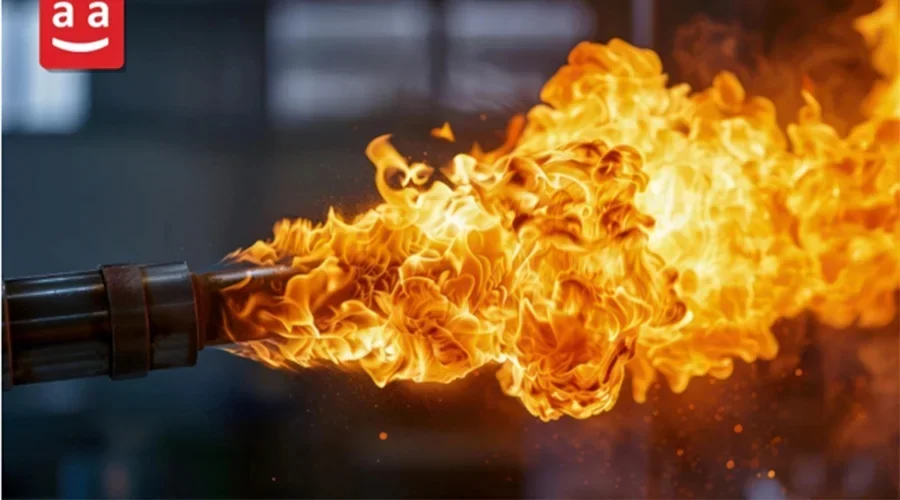
Gas burners are among the most practical combustion systems in industry, offering improved energy efficiency and lower operational expenses compared to other types of industrial burners. This article introduces and analyzes the features, advantages, and key considerations for the installation and commissioning of these devices, enabling you to make the optimal choice for your thermal systems.
What is a Gas Burner?
It is an industrial burner that supplies energy to thermal systems through the burning of gaseous fuels, including natural gas, LPG, hydrogen, and others. These devices are widely used in heating and industrial processes, and due to their high efficiency and reduced environmental emissions, they are a preferred choice across various industries.
These burners convert the chemical energy of gaseous fuels into thermal energy, playing a vital role in providing heat for boiler rooms, steam boilers, furnaces, and other precision industrial applications.
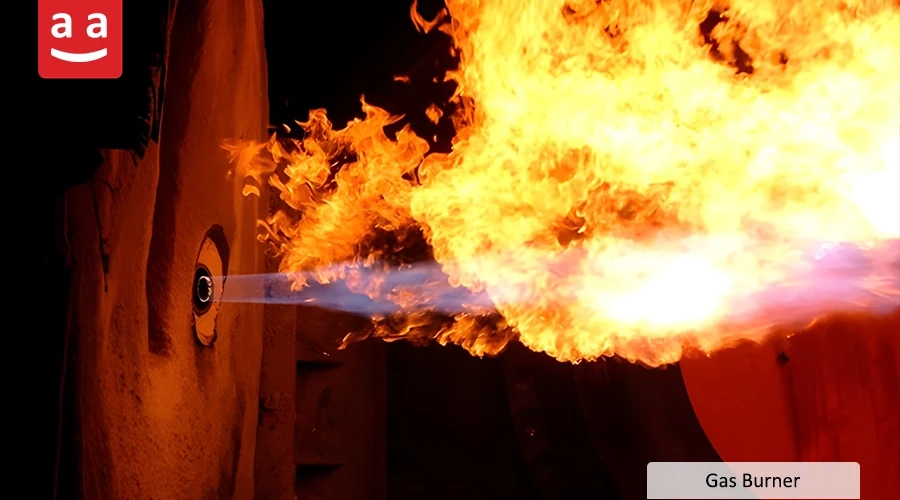
Key Features of Gas-fired Burners
Many industries rely on these burners for their thermal systems due to the unique features these devices offer. Join Raadman as we provide a professional explanation of the key characteristics of this type of burner.
1- Precise Fuel-to-Air Ratio Control
Precise fuel-to-air ratio is a key aspect of gas burner operation, given the characteristics of gaseous fuels. Fuel supply to the burner nozzle is managed via a butterfly valve, while air flow is regulated through multiple approaches such as fan inlet dampers, inlet guide vanes (IGV), fan outlet dampers, fan speed variation, or a combination of these techniques. This ensures that the gas and air flow rates are always maintained at their optimal ratio across all operating conditions.
2- Safety system for these burners
Gas-fired burner safety is achieved by employing fast shut-off solenoid valves that can instantly cut off the gas supply. Additionally, gas leaks are detected using advanced and dependable electronic sensors.
3- Continuous Capacity Control of Gas Burners
These burners equipped with modulating control are capable of producing a stable flame even at minimal loads, for instance, 10% of the burner’s combustion capacity. In contrast, liquid fuel burners (e.g., oil burners) struggle to achieve this due to fuel atomization issues at low flow rates. As a result, These burners can sustain high efficiency across a wide range of loads and minimize frequent on/off cycling.
4- Utilizing Gas Burners to Cut Down Environmental Pollutant Production
Gas-fired burners emit lower emissions than liquid fuel burners, thanks to the chemical characteristics of gas and superior fuel-air mixing. When designed and tuned correctly, natural gas achieves complete and clean combustion with air, containing almost no sulfur. This prevents the formation of harmful substances like carbon monoxide (CO), soot, nitrogen oxides (NOx), and sulfur dioxide (SO₂), which can be major concerns with liquid fuels, particularly heavy oil. Consequently, these devices are considered the most environmentally friendly option due to their efficient combustion and clean fuel properties.
To learn more about nitrogen oxide emissions and their effects on the environment, see the article titled “What is NOx”.
5- Application in Specialized Industries
These burners, aside from their conventional use in boilers and furnaces, are well-suited for specialized industries that need pure, direct thermal energy. Industries such as food processing, pharmaceuticals, and sanitary drying systems, where any product contamination is unacceptable, can benefit from these burners.
How a Gas Burner Works
Gas-fired burners are essential components of heating systems. Here, we will examine the detailed operation of gas burners.
Before exploring how a gas burner works, it is recommended that you first read the article “Gas Burner Equipment” to gain a clearer and more comprehensive understanding of the components and equipment used in gas-fired burners.
1- Initial Air Ventilation
Initial air ventilation is essential in gas burners. As gas can gather invisibly inside the combustion chamber, the fan operates at full force to remove all accumulated gas, preventing any chance of explosion when ignition occurs.
2- Providing Combustion Air for Gas Burners
Air is supplied by the fan to the combustion head. In gas burners, the combustion head is engineered to generate a turbulent vortex zone ahead of the burner, promoting flame stability and optimal combustion efficiency.
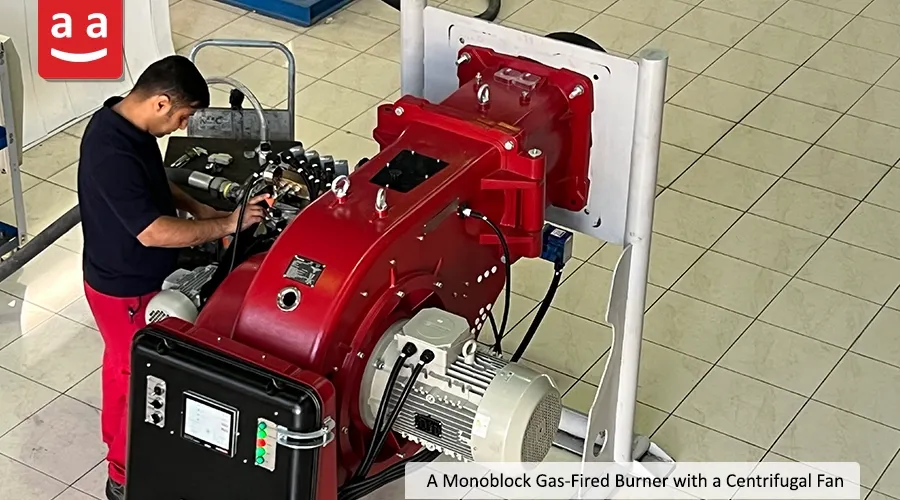
3- Fuel Supply to the Gas Burner
This stage highlights the main distinction between gas burners and liquid or solid fuel burners. Gaseous fuel flows through a relatively simple path, including a filter, regulator, solenoid valves, and a butterfly valve, before entering the burner. In contrast, liquid fuel burners have a more complex system, consisting of a high-pressure pump, solenoid valves, a preheater (for heavy fuel oil), and atomizing nozzles. The simplicity of the gaseous fuel system results in fewer malfunctions and much higher reliability.
4- Mixing of Fuel and Air
Fuel nozzles inject gas into the airflow at precisely engineered positions, velocities, and directions to ensure thorough mixing of gas and air. Well-designed gas nozzles ensure complete combustion, achieving high thermal efficiency and low pollutant formation.
5- Igniting and Starting Combustion in Gas Burners
After the fuel and air are mixed, the gas burner’s ignition system generates a spark and provides the initial energy for combustion, igniting the mixture and starting the burner operation.
6- Flame Monitoring in Gas Burners
In this type of burner, flame monitoring involves sensors that constantly track the flame. If any issues occur, such as the flame going out or failing to form, the sensors transmit a signal to the controller, which immediately cuts off the fuel flow to ensure safe operation.
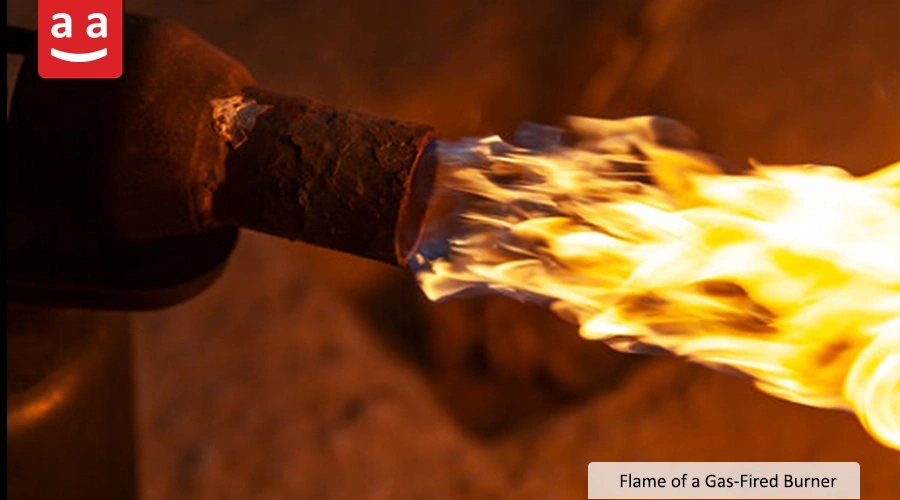
7- Heat Generation in Gas Burners
Once the flame is produced in the burner, the heat generated from combustion is transferred to the intended system through radiation and convection mechanisms. Industries utilize this heat for applications like steam production, mineral baking, metal smelting, and other processes.
8- Final Ventilation
If the burner needs to be stopped, whether because of a system issue or achieving the desired setpoint, the final air ventilation) stage occurs first. During this stage, the fan blows out unburned gas and residual combustion products from the combustion chamber. Afterward, the burner is turned off.
Technical Tips for Maintaining Gas Burners for Higher Efficiency
For gas burners and all types of industrial burners to consistently achieve peak performance and safety, adhering to key technical practices is necessary
- Periodic Adjustment: Regular tuning of industrial gas burners is essential to maintain burner efficiency and operational safety.
- Internal and Mechanical Component Checks: Inspecting internal components such as igniters, electrodes, push switches, diffusers, cams, fan impellers, and moving parts like air dampers is required to ensure reliable and optimal burner operation.
- Inspection of Electrical Components and Wiring: All electrical elements and wiring of the gas burner must be inspected following the manufacturer’s instructions to avoid errors or electrical shorts.
- Control Panel Inspection: The control panel of an industrial gas burner is the main unit for controlling and monitoring its operation. It comprises components like the burner control system, ignition transformers, and others, aiding combustion control and safety. Regular inspection of the control panel is essential for proper operation and to prevent disturbances in the gas burner.

- Cleaning Burner Nozzles: Deposits or contamination in the nozzles can disrupt the flame. Periodic cleaning ensures uniform burner performance.
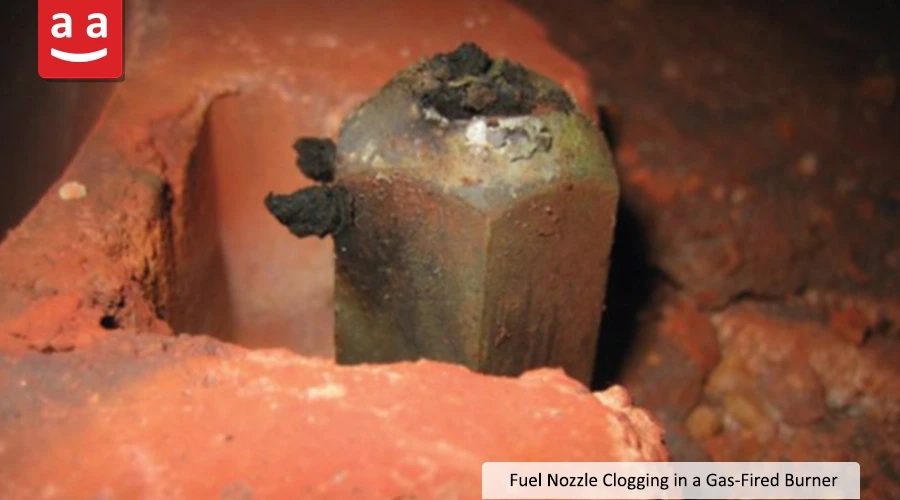
- Precise Adjustment of Burner Flame detection System: Proper inspection and adjustment of the flame control components are essential to ensure correct operation.
Types of Gas Burners Based on Operation
A key step in choosing a gas burner is deciding its operational type. Selecting the right gas burner has a direct impact on fuel efficiency, temperature regulation, and overall operating expenses. These burners are classified into three primary types according to how their capacity is controlled.
1- Single-Stage Gas-fired Burner
This type of burner is the simplest model and operates only in two states: on or off.
- Advantages: Simple design, low installation and maintenance costs.
- Application: Ideal for systems where fine temperature regulation is not critical.
2- Multi-Stage Gas-fired Burner
These burners can operate at multiple capacity levels.
- Advantages: Fuel savings, improved temperature control.
- Application: Suitable for industries and applications requiring more precise adjustments.
3- Modulating Gas-fired Burner
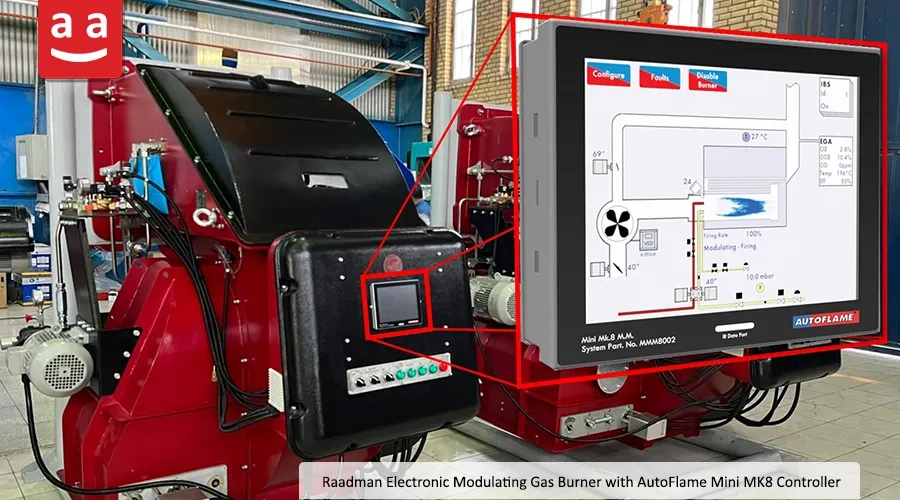
These modulating burners employ advanced controllers to modulate heat output continuously based on the system’s current demand. Controllers such as AutoFlame MK8 MM and AutoFlame Mini MK8 MM continuously monitor combustion conditions, ensuring precise, safe, and optimized burner performance.
- Advantages: High temperature control accuracy, energy savings, reduced thermal stress, extended equipment lifespan.
- Application: Suitable for high-performance heating systems and boilers that demand accurate control and maximum efficiency.
Advantages of Using Gas Burners
These industrial devices are widely favored in various applications due to their numerous advantages. Two key benefits of these burners are explained below.
1- Achieving High Turndown Ratio
With advanced combustion head designs and precise flow control valves, modern burners of this type can attain turndown ratios as high as 1:10 or beyond, depending on operational needs. High turndown ratios coupled with modulating control contribute to substantial energy and fuel savings.
2- Lowering Emissions and Safeguarding the Environment
These burners achieve complete combustion through careful control and proper mixing of gas and air. This reduces the production of pollutants such as carbon monoxide (CO) and nitrogen oxides (NOx), contributing to improved air quality and environmental protection. Additionally, the absence of sulfur in gaseous fuels prevents the formation of SOx emissions.
Gas Burner Applications in Industries
Burners of this type are essential for supplying heat in many industrial processes. Thanks to their accurate control, safety, and efficiency, they are widely used in industries with various heating requirements. Below are some of their key applications.
1- Gas-fired Burners for Hot Water and Steam Boilers
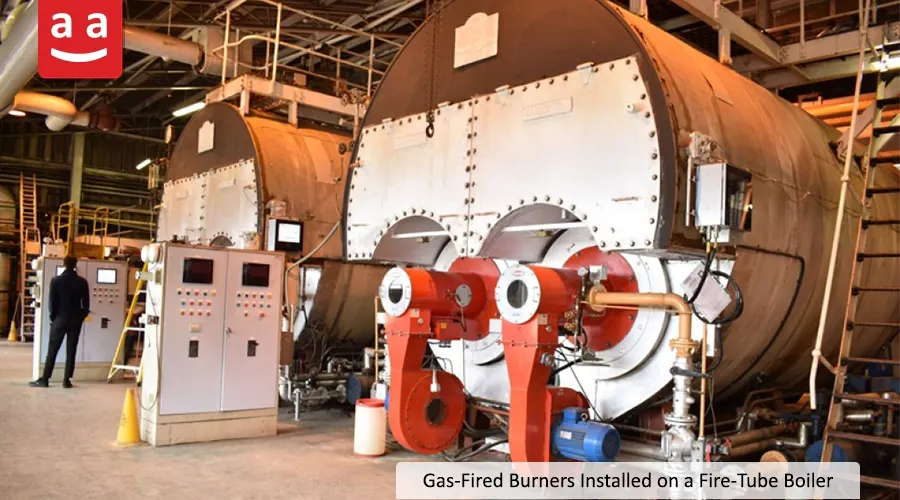
One of the most widespread uses of industrial gas burners is in different steam and hot water boilers. With accurate control, high efficiency, and reduced emissions, These devices are considered the best option for boilers. They are applied in fire-tube boilers for both residential and industrial use, condensing boilers, residential packages, and water-tube boilers.
For detailed knowledge about various types of boilers, see the article “A Complete Review of Industrial Boilers”.
2- Use of Gas Burners in Industrial Furnaces
Thermal processes in heavy industries such as metal smelting and mineral calcination require heat sources capable of providing extremely high temperatures in a stable and uniform manner. Thanks to their reliability and precise control, gas burners serve as an excellent choice for such furnaces.
Metal Industry and Foundry Furnaces: These burners are used in metal melting, heat treatment, and casting furnaces to generate extremely high temperatures. With modulating control systems, they allow precise regulation of temperature, which is essential in such processes.
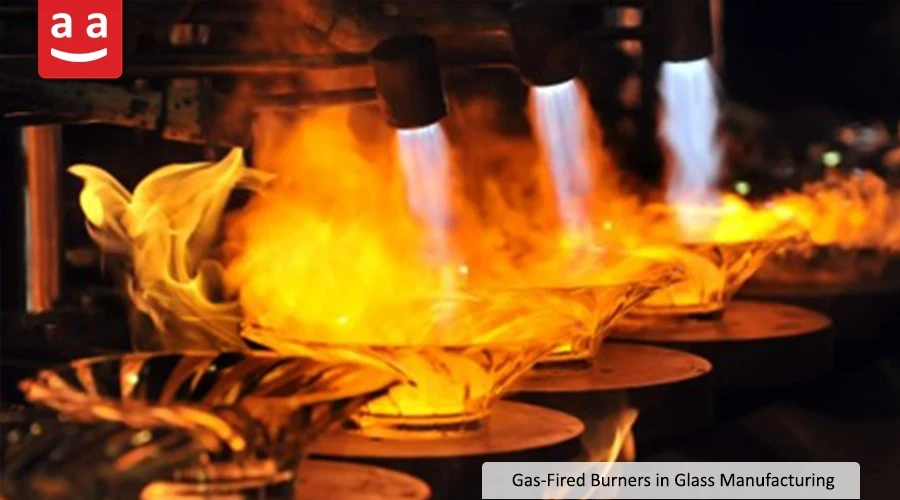
Furnaces in Mineral Industries: These burners are employed in ceramic, cement, and glass manufacturing, using various burner structures depending on the application. They provide uniform and controllable temperatures to ensure proper product quality.
3- Use of Gas Burners in Industrial Dryers
For drying processes in food, pharmaceutical, and chemical industries, the heating source needs to deliver precise heat without contaminating the product. These burners, due to their clean, soot-free flame, are the best choice for these applications. Precise temperature control by these burners prevents burning or damaging the product and ensures its final quality.
4- Use of Gas-fired Burners in Refineries and Petrochemical Plants
These burners, equipped with either forced or natural airflow, are employed in fired heaters and industrial furnaces of refineries and petrochemical plants. These devices, with their specialized designs, can provide the required heat for these furnaces.

Installation and Commissioning Guide
Installing this burner correctly is vital for safety, cost efficiency, and the effective operation of the heating system. This process is carried out in three essential steps:
1- Intelligent Choice of a Gas-fired Burner
Selection of this type of burner should consider the heating needs, type of gas used, and the technical specifications of the boiler or furnace. Incorrect selection can lead to reduced efficiency, increased fuel consumption, and damage to the system.
2- Proper Installation Location
The installation location must provide adequate ventilation, sufficient space for maintenance, Power and gas piping. Maintaining safety distances from walls, floors, and flammable materials is essential.
3- Installation and commissioning of gas burner
- Installation Process: Ensure the burner is securely mounted, leveled, and free from vibrations on the boiler or furnace.
- System Connections: Verify gas and air lines, and correctly install control devices such as flame detectors and relays.
- Commissioning: Prior to ignition, inspect gas pressure, leaks, connections, and electrical circuits; then ignite and adjust the flame for safe and stable operation.
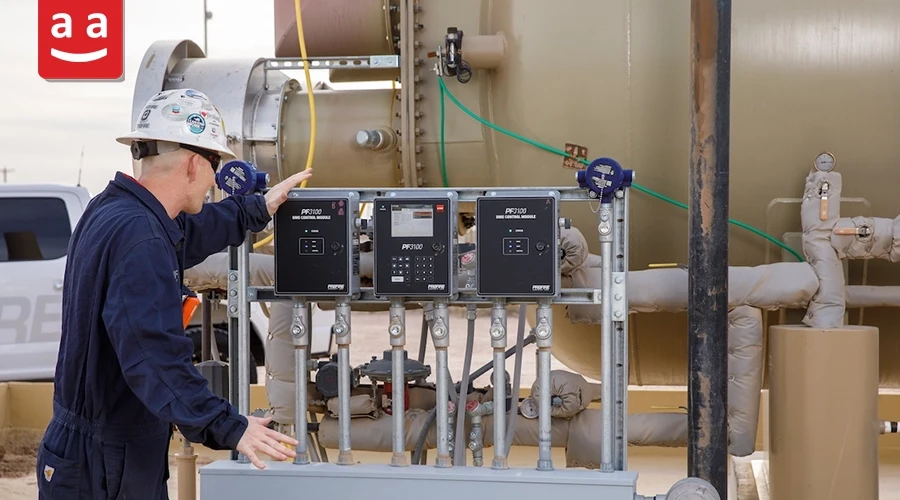
Important Safety Tips for Installing Gas Burners
- Inspect gas leaks with foam or specialized tools
- Adhere to standards for installation, ventilation, and wiring
- Use high-quality, guaranteed components
- Train personnel to minimize errors
To learn more about installing and commissioning these devices, refer to the article titled “Gas Burner Installation from Start to Finish“.
Challenges of Using Gas-fired Burners
Despite the aforementioned advantages of gas burners, their effective operation comes with challenges such as precise adjustment, stable fuel supply, and compliance with safety requirements. Recognizing these factors is essential for preserving system performance and safety.
1- Gas Supply Constraints in Remote Locations: In areas without adequate gas infrastructure, operating gas burners encounters issues like expensive gas delivery and unreliable fuel availability.
2- Requirement for Accurate Fuel-Air Ratio: Efficient operation of these burners relies on the precise fuel-to-air ratio. Incorrect settings may lower system efficiency and cause emissions of pollutants like CO, as well as potential damage to the burner and boiler internals.
3- Deposit Formation and Nozzle Blockage: Gases used in urban and industrial settings may carry contaminants that eventually form deposits inside the nozzles. Such blockages can alter flame characteristics and cause irregular combustion.
4- Hazards Due to Gas Leaks: Any undetected gas leak can result in explosions, fires, or significant injury to individuals and equipment. Additionally, older systems or those lacking safety monitoring devices have a higher potential for hazards.
Solutions to Overcome Challenges of Gas-fired Burners
There are several strategies to overcome the issues related to gas burners, which can improve both their efficiency and safety. The key approaches are outlined below.
1- Adoption of Alternative or Mixed Fuels: Where connection to the main gas grid is restricted, employing LPG or biogas as a replacement or supplementary fuel offers a cost-effective and sustainable approach.
To learn about LPG and compare it with other typical fuels, refer to the article “Combustion Process of Liquefied Petroleum Gas (LPG)“.
2- Using Smart Fuel-air Adjustment Systems: Fitting these burners with smart technologies for regulating the fuel-to-air ratio enhances performance and minimizes human errors.
3- Automated Fuel-Air Control Systems: Regular inspections, nozzle cleaning, and monitoring of sensors and control valves prevent deposits, flame fluctuations, and premature failures, ensuring system stability.
4- Implementing Advanced Safety Systems: Using leak sensors and flame monitoring can minimize potential hazards and enhance safety. Additionally, in combustion systems, adhering to explosive area requirements is a key factor when selecting burner equipment.
Gas Burners; The Beating Heart of Industries
As discussed in this comprehensive guide, a gas-fired burner is far more than just a heat-producing device; it is a strategic asset for optimizing processes, reducing energy costs, and moving toward a sustainable and environmentally friendly industry. With precise combustion control, advanced safety mechanisms, and smart capabilities in modulating designs, every feature of a modern is engineered to maximize performance and reliability. Proper selection based on capacity, application, and desired control level, together with specialized installation and preventive upkeep, is crucial to fully realizing these benefits.
Raadman Industrial Group, with a focus on innovation, quality, and strong support, offers advanced industrial gas-fired burners specifically designed to meet the precise needs of industry professionals. If you seek burners with top performance, enhanced safety, and notable energy efficiency, Raadman gas burners are an ideal option. You are also welcome to ask any questions regarding gas burners in the comments section for guidance from our specialists. We hope this article has proven useful to you.
Frequently Asked Questions (FAQ) About Gas-fired Burners
1- How many types of gas burners are there?
These burners are manufactured in three main types: single-stage, multi-stage, and modulating (electronic or mechanical).
2- Why does a gas burner require accurate fuel-to-air ratio control?
Accurate fuel-to-air ratio control is crucial for complete combustion. Incomplete combustion not only wastes fuel and reduces efficiency but also produces harmful pollutants, soot, and can damage the combustion chamber and boiler.
3- What measures can be taken to ensure the safe operation of gas burners?
Burner safety is ensured through flame detectors, safety shut-off valves, monitoring devices like pressure switches, and routine maintenance.
4- What are the typical industrial uses of gas burners?
These burners are widely used in steam and hot water boilers, industrial furnaces (for metal melting, ceramic and cement firing), industrial dryers (in the food and pharmaceutical industries), and fire heaters in petrochemical and refinery plants.
5- Can gas burners operate in areas without a natural gas supply?
Yes, one solution for these areas is to use burners that can operate with liquefied petroleum gas (LPG). Dual-fuel or multi-fuel burners can also provide a flexible option.


10 responses
Thank you. I found the points you mentioned very helpful. I just have one question. How can I determine the correct gas burner capacity for my boiler or furnace in practice?
Appreciate your comment! The correct burner capacity depends on the required heat load, operating pressure, fuel type, altitude above sea level, and the efficiency of the heating system. Engineers typically calculate the total thermal demand (in kW or BTU/hr) and then select a burner with an appropriate modulation range and safety margin to ensure stable and efficient operation. Hope this helps.
How often should a gas burner be serviced or tuned?
Routine inspection is usually recommended every 6 to 12 months, depending on operating hours and environmental conditions. High-duty industrial systems may require quarterly checks to maintain combustion efficiency and safety.
For high-capacity burners, if the gas network pressure drops, especially during winter, will the burner operate at a lower capacity or shut down?
If the gas pressure falls below the permissible limit, the Minimum Gas Pressure Switch is activated and shuts down the burner to ensure safe operation. To prevent this issue, proper selection of the gas regulator and correct sizing of the gas piping are critical from the design stage.
Can you use gas burners for furnaces that operate at temperatures above 800°C? Won’t the burner head components get damaged at these temperatures?
Yes, gas burners can be used in high-temperature furnaces, but the burner and its materials need to be selected based on the furnace conditions. For these applications, heat-resistant materials can be used for components such as the flame tube and nozzle to withstand the high temperatures. So, the right burner should always be selected based on the furnace’s actual operating temperature and conditions.
How important is it to adjust the air damper correctly for the first and second stages of a two-stage burner? Can incorrect damper settings cause the burner to keep resetting?
Yes, adjusting the air-to-fuel ratio right at both stages is very important. If the damper isn’t adjusted properly, the flame may not form within the correct operating range or may not be detected properly by the flame detection system. This can cause the burner to go into fault or reset repeatedly. Proper damper adjustment helps ensure both stable flame operation and efficient combustion.