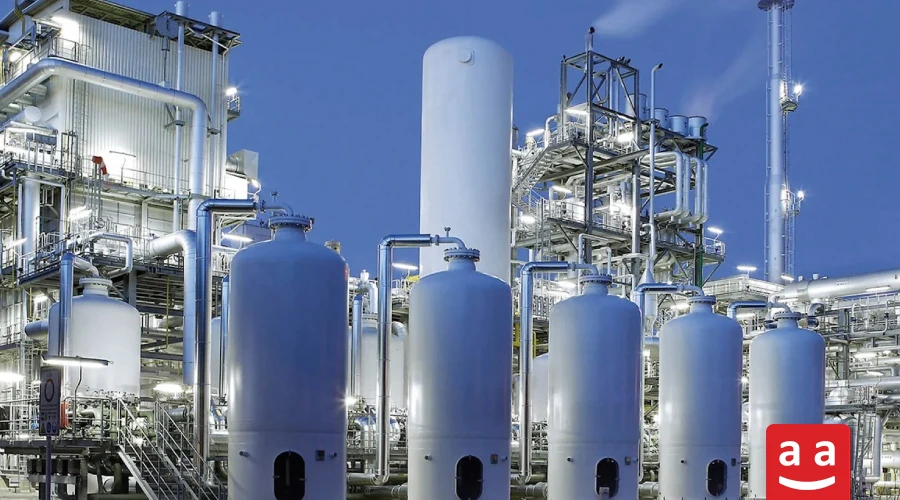


The World Health Organization (WHO) reports that around 7 million people die each year as a result of conditions linked to air pollution, and 99% of the global population lives in regions where air quality falls below safe levels. A significant portion of this global crisis is related to industrial pollution.
Nitrogen oxides, toxic and highly reactive, are among the most dangerous industrial pollutants This pollutant, commonly known as NOx, is a major cause of acid rain, suffocating urban smog, and severe respiratory diseases, particularly asthma in children. Join Raadman as we explore the different types of nitrogen oxides, the latest technologies for controlling their formation, and Raadman’s contributions to reducing this environmental pollutant.
Nitrogen oxides are known as one of the most important and dangerous pollutants resulting from combustion, leading to serious damage to the environment and human health. This article will present the three main mechanisms responsible for the formation of these pollutants. These pollutants include thermal NOx, fuel NOx, and prompt NOx. Also, the method of reducing these pollutants will be analyzed. Regarding the importance of controlling Nitrogen Oxides emission, understanding the mechanisms is crucial for developing effective strategies to reduce air pollution and enhance environmental quality.
What is NOx?
(NOx) represent a group of nitrogen oxide gases, including NO and NO₂, which are generated as undesirable byproducts of combustion in engines and industrial processes.
These compounds are generated during combustion processes and are major contributors to urban air pollution. By participating in chemical reactions in the atmosphere, Nitrogen Oxides can cause environmental and health problems. The group of Nitrogen Oxides consists of seven chemical compounds, which are listed in the table below.
In industrial combustion systems, NOx gas formation is closely related to high-temperature reactions between nitrogen and oxygen. Although nitrogen itself is not normally considered a fuel, the term nitrogen combustion is often used in combustion chemistry to describe the reactions that occur when atmospheric nitrogen participates in flame-zone oxidation processes. Understanding this reaction pathway is essential for controlling NOx gas emissions in industrial burners, boilers, furnaces, and power-generation equipment.
| Chemical formula | Name | Features |
|---|---|---|
| N2O | Nitrous Oxide | Gas Soluble in Water |
| NO | Nitric Oxide | Colorless Gas Slightly Soluble |
| N2O2 | Dinitrogen Dioxide | Colorless Gas Slightly Soluble |
| N2O3 | Dinitrogen Trioxide | Black Solid Soluble Decomposes in Water |
| NO2 | Nitrogen Dioxide | Brown Gas Very Soluble Decomposes |
| N2O4 | Dinitrogen Tetroxide | Brown Gas Very Soluble Decomposes |
| N2O5 | Dinitrogen Pentoxide | White Solid Very Soluble Decomposes |
Among the seven chemical compounds mentioned, NO is the most common form of Nitrogen Oxides in the atmosphere. For this reason, the U.S. Environmental Protection Agency (EPA) considers this molecule as the key Nitrogen Oxide pollutant. When discussing Nitrogen Oxides emissions in combustion, the focus is primarily on NO and NO2.
Although other forms of Nitrogen Oxides can be generated during combustion, NO and NO2 are produced in significant quantities. As a result, regulations and standards have been established for these two compounds. It is worth noting that NO produced during combustion eventually reacts with oxygen and ozone in the air, converting into NO2.

Major Nitrogen Oxides; NO and NO₂
In order to prevent from the emissions of this pollutant, it is important to know its characteristics.
Nitric oxide (NO): It is a colorless and odorless gas produced during combustion processes at high temperatures. NO easily reacts with oxygen and turns into nitrogen dioxide (NO₂).
Nitrogen dioxide (NO2): This gas is brown and has pungent smell. In the atmosphere, NO2 continuously engages in chemical reactions with other compounds, in the atmosphere continuously reacts with other chemical compounds and converts to acid rain and surface-level ozone.
According to the World Health Organization (WHO) report on environmental pollutant gases, the characteristics of this gas are as follows:
Nitrogen dioxide (NO2) is a reddish-brown gas that is soluble in water, and a strong oxidant. Ambient sources of NO2 results from high temperature combustion of fuels in processes such as those used for heating, transportation, industry and power generation. Household sources of nitrogen oxides include equipment that burn fuels such as furnaces, fireplaces and gas stoves and ovens. Exposure to nitrogen dioxide can irritate airways and aggravate respiratory diseases.

Mechanisms of NOx Formation
Nitrogen oxides are formed through different chemical pathways during combustion, depending on temperature, fuel composition, and reaction conditions. Understanding these mechanisms—thermal, fuel, and prompt—is essential for identifying effective strategies to reduce NOx emissions in industrial and power-generation systems.

Thermal NOx
Thermal NOx forms at very high temperatures (typically >1,300 °C) in combustion systems such as industrial burners, boilers, and internal combustion engines. At these temperatures, nitrogen (N₂) and oxygen (O₂) molecules dissociate, allowing nitrogen atoms to react with oxygen and form nitric oxide (NO).
![\[ \begin{array}{c} N + O_2 \;\rightleftharpoons\; NO + O \\ O + N_2 \;\rightleftharpoons\; NO + N \\ \hline N_2 + O_2 \;\rightarrow\; 2NO \end{array} \]](https://raadmanburner.com/wp-content/ql-cache/quicklatex.com-bc1dfc536929fdf67c8c3171d7b1258a_l3.png "Rendered by QuickLaTeX.com")
Formation Steps
1- A nitrogen atom (N) collides with an oxygen molecule (O₂) to form NO and an oxygen atom (O).
2- The oxygen atom then reacts with another nitrogen molecule (N₂) to form another NO molecule and a nitrogen atom (N), continuing the chain reaction.
Considering both steps, the reaction of one nitrogen molecule (N₂) with one oxygen molecule (O₂) produces two nitric oxide (NO) molecules. High flame temperatures provide the energy needed to dissociate N₂ and O₂. Since the O=O bond breaks more easily than the N≡N bond, the second step controls the overall reaction rate.
Equation of Changes in NO Concentration During the Reaction
Assuming that atomic oxygen is in equilibrium with molecular oxygen, the concentration of NO changes over time according to the following equation.
![\[ [NO] = A [N_2] \int e^{-\frac{b}{T}} \, \sqrt{[O_2]} \, d\theta \]](https://raadmanburner.com/wp-content/ql-cache/quicklatex.com-d8c05991fd50ff912d41910892bf6eea_l3.png "Rendered by QuickLaTeX.com")
[NO]: Volumetric Concentration of Nitric Oxide
[N₂]: Volumetric Concentration of Nitrogen
[O₂]: Volumetric Concentration of Oxygen
T: Absolute Temperature
θ: Time
A and b: Constants Dependent on Reaction Condition
Key Factors Affecting Thermal NOx
- Temperature: Higher flame temperatures significantly increase NO formation; hot spots are primary NO sources.
- Oxygen Concentration: Higher O₂ concentration boosts NO production; reducing oxygen lowers emissions.
- Nitrogen Concentration: Nitrogen remains nearly constant and is treated as a constant in reaction kinetics.

Fuel NOx
Fuel NOx is generated when nitrogen present in fossil or biofuels reacts with oxygen during high-temperature combustion. Fuels such as coal and oil naturally contain nitrogen, which forms NOx under these conditions, making fuel NOx a significant contributor to emissions in industrial systems. Free molecular nitrogen (N₂) in fuel is chemically stable, does not directly form NOx, and can act as a diluent by reducing flame temperature and the concentration of reactive species. Using nitrogen-free fuels, such as natural gas, further lowers fuel NOx emissions.
Formation Steps
1- Nitrogen bound in fuel molecules (e.g., CxHyN) breaks down into intermediates such as hydrogen cyanide (HCN) and cyanide (CN).
C H N → HCN+CN+…
2- These intermediates react with oxygen (O₂) to produce nitric oxide (NO).
HCN+CN+ O₂ →NO+…
Key Factors Affecting Fuel NOx
- Nitrogen Content: Higher nitrogen in fuel increases NOx formation.
- Combustion Temperature: Elevated temperatures accelerate nitrogen compound breakdown.
- Fuel Type: Nitrogen-free fuels like natural gas produce minimal fuel NOx.
- Oxygen Availability: More oxygen speeds conversion of intermediates to NO; reducing oxygen lowers emissions.
- Residence Time: Longer exposure to high temperatures increases NOx formation
Prompt NOx
Prompt NOx forms through direct reactions between atmospheric nitrogen (N₂) and fuel molecules, generating intermediate compounds that eventually convert to NO. Unlike thermal NOx, prompt NOx can occur even at lower temperatures and becomes more significant when fuel concentration in the combustion zone is high. Reducing fuel concentration or diluting it helps minimize prompt NOx formation.
Formation Steps
1- Fuel molecules (e.g., CH) react with atmospheric nitrogen (N₂), breaking the strong N≡N triple bond and forming intermediates such as HCN and CN.
CH + N →HCN+CN+…
2- These intermediates react with oxygen (O₂) to form nitric oxide.
CHN+ O →HCN+CN+…
Key Factors Affecting Prompt NOx
- Fuel Concentration: Higher fuel concentration increases the likelihood of reaction with N₂, producing more NO.
- Nitrogen Availability: Atmospheric nitrogen is abundant, so reducing N₂ is impractical; controlling fuel concentration is the primary mitigation strategy.
Sources of Nox
Nitrogen oxides are produced both naturally and through human activities, mainly from combustion processes. Understanding these sources—ranging from vehicles and power plants to industrial and natural mechanisms—is essential for identifying effective strategies to control and reduce NOx emissions.
Anthropogenic (Human-Made) Sources
These are NOx emissions resulting from human activities, primarily due to combustion of fossil fuels. Main contributors include:
- Transportation: Vehicles burning gasoline or diesel produce significant NOx.
- Power Plants: Combustion of coal, oil, or natural gas in electricity generation releases NOx.
- Industrial Processes: Boilers, furnaces, and chemical manufacturing emit NOx.
- Residential Heating: Combustion of fuels in homes and buildings contributes locally.

Natural Sources
Although less significant than human-made sources, NOx can be produced naturally through:
- Lightning: High temperatures during lightning strikes cause N₂ and O₂ to react.
- Wildfires: Combustion of biomass releases nitrogen oxides.
- Soil Microbial Activity: Certain bacteria in soils can produce NOx during nitrogen cycling.
Measuring Nitrogen Oxides
Nitrogen oxides are commonly measured using a technique called chemiluminescence. This method is based on a light-producing chemical reaction between nitric oxide (NO) and ozone (O₃). When NO reacts with ozone, it forms an excited nitrogen dioxide molecule, shown as NO₂*, along with oxygen:
NO + O₃ → NO₂* + O₂
The excited NO₂* molecule is unstable and quickly returns to its normal energy state. During this transition, a small amount of light is released. Inside a NOx analyzer, this emitted light is detected by a sensitive photomultiplier tube.
Because each NO molecule reacts in a predictable way with ozone, the intensity of the emitted light is directly related to the concentration of NO in the gas sample. The analyzer measures this light signal and converts it into a concentration value. For total NOx measurement, nitrogen dioxide is usually converted into nitric oxide first, allowing the instrument to calculate NO, NO₂, and total NOx concentrations.
Impacts of Nitrogen Oxides in the Atmosphere
Nitrogen oxides in the atmosphere can result in significant environmental and health consequences:
Formation of Acid Rain: These gases combine with water in the air and turn into acid. This acid falls to the ground with rain, causing damage to buildings, weakening agricultural soil, and contaminating water sources.
Formation of Ground-Level Ozone: When sunlight shines on these gases, a toxic gas called “ozone” is formed near the Earth’s surface. This is the same smog seen in large cities, which harms lungs and damages plants.
Impact on Human Health: These gases are a major contributor to cardiovascular and respiratory illnesses. Inhalation of these gases leads to lung inflammation, harming lung tissue and placing additional strain on the heart. As a result, they increase the risk of heart attacks, lung infections, and worsening of asthma.
Regulations and Standards for NOx Emission Reduction
Considering harmful effects and dangers associated with NOx, growing awareness of environmental health issues, some strict standards have been implemented to significantly limit NOx emissions from industrial facilities, internal combustion vehicles, and other sources. These laws and standards have effectively reduced Nitrogen Oxides concentrations in the atmosphere in many industrialized countries. For instance, the chart below shows the trend in average NOx concentration in the United States from 1980 to 2023.

Regarding NOx reduction and achieving cleaner combustion, selecting the proper burner technology is crucial. New innovations have emerged in industrial burner development, aiming to minimize emissions created during the combustion process. One prominent example, used in leading global industries that meet strict emission standards, is the premixed burners.
In line with environmental preservation and the modernization of the combustion industry in Iran, Raadman has developed these burners tailored to the requirements of industrial users. For a complete understanding of the specifications and benefits of this type of burner, you can refer to the article “Premixed Burners”, on Raadman page.
Air Quality Guidelines for Nitrogen Dioxide
Air quality objectives for nitrogen dioxide are defined to limit both short-term and long-term exposure to this pollutant. Based on updated air quality frameworks, nitrogen dioxide limits are commonly assessed using two exposure periods: a 1-hour concentration limit of 0.08 parts per million (ppm) and an annual average limit of 0.015 ppm.
These values are intended to reduce health risks, especially for sensitive groups such as children, elderly people, and individuals with asthma or other respiratory conditions. Short-term exposure limits help control sudden pollution peaks near traffic corridors, industrial areas, and combustion sources, while annual limits are used to evaluate long-term air quality and population-level exposure.
In most outdoor environments, typical nitrogen dioxide concentrations remain below the 1-hour guideline. However, local increases can occur near roads, power plants, industrial burners, boilers, and other combustion-based systems. For this reason, continuous monitoring and emission-control strategies remain important parts of NOx reduction programs.
Innovative Technologies for Reducing NOx in Various Industries
With technological advancements and growing environmental concerns, industries are moving towards reducing hazardous pollutants like nitrogen oxides. NOx is one of the most significant urban air pollutants, causing harm to human health and the environment. In this regard, innovative NOx reduction technologies have been introduced as effective solutions. Below, we review some of these technologies.
For more information on NOx emission reduction methods, you can read the article ‘Methods of NOx Reduction’
1- Flue Gas Recirculation (FGR) System
Flue gas recirculation involves returning part of the combustion products from the stack to the flame zone. Although it may seem to increase NOx due to its link with temperature, the recirculated gas is much cooler than the flame. As a result, it lowers the peak flame temperature and effectively reduces thermal NOx f

2- Fuel Dilution
Mixing fuel with combustion products before ignition decreases flame temperature and limits NOx formation.
3- Steam or Water Injection
Injecting steam or water into the flame zone reduces temperature and thermal NOx. It is cost-effective and easy to retrofit.
4- Low-NOx Burners
Low-NOx burners prevent extremely high-temperature zones, the main source of thermal NOx. Their design combines staged combustion, optimized fuel–air mixing, and swirling flows to achieve stable, uniform combustion. Compatible with FGR and premixed combustion, they can reduce NOx emissions by up to 90%, improve combustion efficiency, optimize fuel use, and lower other pollutants like CO.
At Raadman, we have developed and produced Low-NOx burners to reduce emissions and enhance combustion technology in Iran. For more details, visit the Raadman Low-NOx Burners page.
5- Staged Combustion
Staged combustion is an effective technique for reducing NOx in industrial burners by controlling flame temperature and oxygen availability. It is implemented in two main ways:
- Air Staging: The combustion air is supplied in two stages, creating a primary (lean) zone with lower flame temperatures and a secondary (rich) zone with reduced oxygen. This division suppresses thermal NOx formation.
- Fuel Staging: Fuel is injected in two stages, producing lean and rich zones similar to air staging. Fuel staging also enhances the internal recirculation of combustion products, improving mixing with incoming fuel and air. This enhances combustion uniformity and efficiency, leading to additional NOx reduction.
6- AI and Digital Simulation
Artificial intelligence and computational modeling optimize combustion parameters and predict the most efficient low-NOx operating settings.
7- Clean Fuels
Switching to natural gas or biofuels reduces both fuel-bound and thermal NOx. Best results occur when combined with other NOx-control methods.
8- Excess Air Control
At near-stoichiometric conditions, high flame temperatures increase NOx. With higher excess air, temperature drops and NOx decreases. Precise air–fuel ratio control is essential.
9- Premixed Combustion
In premixed combustion, fuel and air are mixed thoroughly before entering the combustion chamber, creating a uniform flame temperature that limits high-temperature zones and suppresses thermal NOx formation. Precise control of the fuel-to-air ratio also reduces pollutants like prompt NOx and CO.
10- Steam or Water Injection
Injecting steam or water into the flame zone reduces temperature and thermal NOx. It is cost-effective and easy to retrofit.
11- Selective Catalytic Reduction (SCR)
Ammonia or urea reacts with NOx over a catalyst, converting it to nitrogen and water. SCR achieves very high NOx removal efficiency and is widely used in power plants.
12- Selective Non-Catalytic Reduction (SNCR)
Ammonia or urea is injected into hot flue gas (900–1,100 °C) to convert NOx into nitrogen and water vapor. Although less efficient than SCR (40–70% reduction), it is simpler and effective under suitable conditions.

Ways to Enhance Air Quality by Nitrogen Oxides Reduction
Nitrogen oxides are not merely straightforward pollutants but result from intricate chemical reactions in combustion processes. This article reviewed that NOx forms mainly in three ways: thermal, fuel-related, and prompt. Each type is influenced by variables like temperature, fuel composition, and oxygen levels.
Luckily, the tools required for smart control are now accessible. Cleaner fuels, combustion process optimization, and the application of NOx reduction technologies—including Low-NOx burners, Raadman premixed burners, and flue gas recirculation (FGR) systems—are all established methods to greatly decrease nitrogen oxides output.
In Iran, by promoting the adoption of current technologies and enhancing combustion engine performance, the emission of dangerous NOx compounds can be substantially lowered, contributing to better environmental air quality. Ultimately, successful NOx control is a dual investment: protecting public health and the environment while enhancing the efficiency and sustainability of industrial processes in the long term. Proper selection and implementation of these technologies pave the way to achieve both goals.
Frequently Asked Questions About Nitrogen Oxides
1- What Are Nitrogen Oxides?
Nitrogen oxides consist of chemical compounds formed in combustion reactions. They are key pollutants in urban air quality and are closely monitored because of their harmful impacts on both human health and the environment. The most prevalent types are NO and NO₂.
2- What Are the Three Main Mechanisms of Nitrogen Oxides Formation in Combustion Processes?
NOx formation in combustion occurs mainly through three mechanisms: Thermal NOx, created at temperatures exceeding 1300°C from nitrogen and oxygen reacting in the air; Fuel NOx, arising from nitrogen contained within the molecular structure of fuels like mazut and coal; and Prompt NOx, formed at the initial flame stages by direct reaction of fuel molecules with nitrogen in the air.
3- How Do Raadman Low-NOx Burners Reduce NOx Production?
Raadman Low-NOx burners reduce NOx formation by employing techniques like staged combustion and premixed flames to decrease flame temperature.
4- What Is FGR (Flue Gas Recirculation) and How Does This System Operate?
Flue Gas Recirculation (FGR) is a method to reduce nitrogen oxides emissions by returning part of the hot exhaust gases back into the combustion chamber. These exhaust gases, mainly inert, lower flame temperature and oxygen levels, both contributing significantly to reducing thermal NOx formation.
5- What Are the Most Harmful Environmental Impacts of Nitrogen Oxides?
Among the major environmental damages from nitrogen oxides are acid rain formation—caused by nitric acid generation in the atmosphere that deteriorates ecosystems—and ground-level ozone (photochemical smog), produced under sunlight and volatile organic compounds, which negatively affects human health and vegetation.