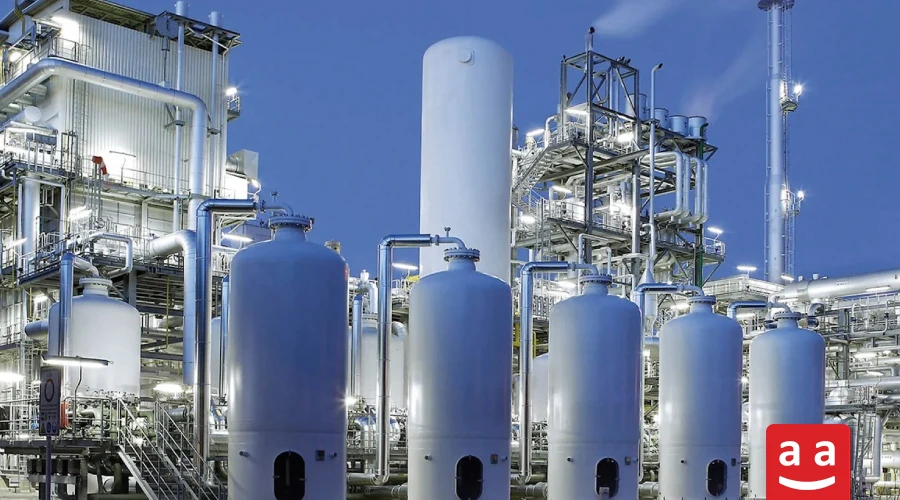

As industries around the world seek cleaner and more efficient fuels, Liquefied Natural Gas (LNG) has emerged as one of the most talked-about energy sources of our time. Its unique characteristics and relatively low environmental footprint have made LNG a key player in the global transition toward sustainable energy.
With major investments in infrastructure and a surge in international trade, liquefied natural gas is rapidly gaining prominence. Understanding its fundamentals is essential for anyone interested in the future of energy. To begin, let’s take a closer look at what liquefied natural gas is and why it matters.
What is LNG?
Liquefied natural gas is natural gas that has been cooled to approximately −162°C (−260°F) until it becomes a liquid. In this form, natural gas takes up much less space, making LNG easier to store and transport. Liquefied natural gas is a widely used form of natural gas that plays an important role in the global energy sector. It can be stored, transported, and used in different applications where natural gas is required.
Want to know more about industrial fuels? Read our detailed guide on Types of Industrial Fuels.
LNG Components and Composition
Liquefied natural gas is primarily composed of methane (CH₄), along with smaller amounts of other hydrocarbons and non-hydrocarbon gases. The exact composition of LNG can vary depending on the source of the natural gas and the processing methods used before liquefaction.
The main components commonly found in LNG include:
- Methane (CH₄): Methane is the primary component of LNG and is responsible for most of its energy content.
- Ethane (C₂H₆): Ethane is a lighter hydrocarbon that may be present in smaller quantities and can contribute to the overall heating value of LNG.
- Propane (C₃H₈): Propane is another hydrocarbon component that can occur in LNG in relatively small concentrations.
- Butane (C₄H₁₀): Butanes, including normal butane and isobutane, may also be present in small amounts depending on the natural gas source and processing.
- Nitrogen (N₂): Nitrogen is a non-hydrocarbon component that can remain in LNG in small quantities.
- Other trace components: Depending on the original natural gas and the level of processing, trace amounts of other compounds may be present. Components such as carbon dioxide, water, and sulfur compounds are generally removed or reduced during natural gas processing to meet LNG quality requirements.
LNG vs LPG; Key Differences Explained
Both LNG and LPG are types of liquefied gas fuels, but they have fundamental differences. Liquefied natural gas is primarily pure methane derived from natural gas, whereas LPG consists mainly of propane and butane, which are by-products of crude oil refining.
The way they are liquefied also differs: LNG requires extremely low temperatures, whereas LPG can be liquefied at normal temperatures under moderate pressure.

Due to its smaller liquid volume, environmental advantages, and safety features, liquefied natural gas is widely used in power plants, heavy industries, and international energy trade. In contrast, LPG, which can be stored at normal pressure and burns flexibly, is mainly used in household applications, heating, and small-scale industries. These distinctions determine the market position and optimal uses of each fuel, making them critical factors when choosing the right fuel for specific applications.
For a deeper look at LPG, including its everyday and industrial uses, check out Raadman’s comprehensive article on LPG.
LNG Production and Liquefaction Process
The production of liquefied natural gas is a precise, multi-step process that begins at the gas well and ends with the liquefied gas being stored in specialized tanks. Each stage is crucial for ensuring quality, safety, and easy transportation.
Step 1; Natural Gas Extraction
Natural gas is extracted from underground storage tanks and gas fields. Raw gas usually contains impurities like water, carbon dioxide, hydrogen sulfide, and heavier hydrocarbons, which can affect the quality and safety of subsequent processes. Therefore, the gas is first brought from the well in its raw form and prepared for purification.
Step 2; Natural Gas Purification
The gas enters purification units to remove impurities and increase methane content. Water is removed, CO₂ and H₂S are treated, and mercury and heavy hydrocarbons are eliminated. This process improves liquefied natural gas quality, prevents issues during liquefaction, and ensures compliance with international export standards.
Step 3; Liquefaction
After purification, the gas undergoes liquefaction. Using advanced equipment, the temperature is reduced to around −162°C (−260°F), turning natural gas into liquefied natural gas. This phase change significantly reduces its volume, making storage and transportation far more efficient.
Step 4; Storage and Transportation
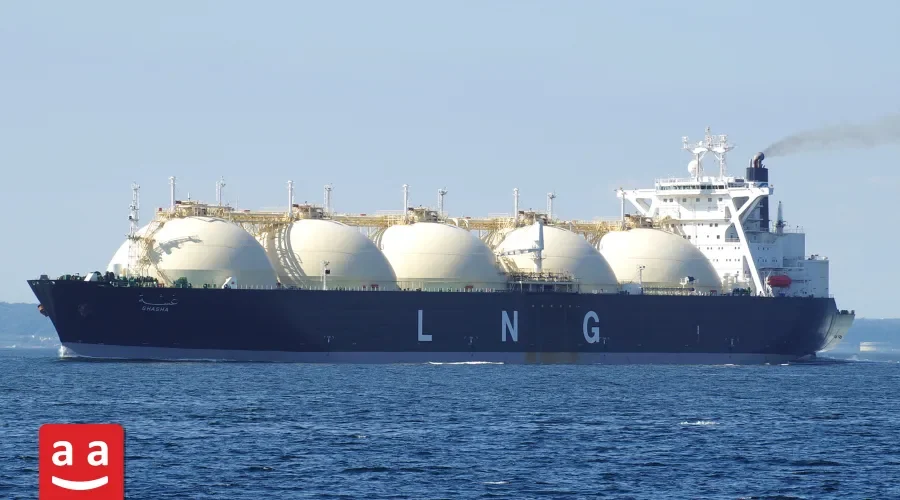
The liquefied gas is stored in specialized LNG tanks until it is ready for shipment via ships, tankers, or onshore storage for consumption and export. The tanks are equipped with thermal insulation and advanced safety systems to maintain LNG at extremely low temperatures without risk of leaks or evaporation. Developing this infrastructure enables international trade and ensures energy supply to regions lacking natural gas resources.

What Is LNG Used for?
Thanks to its high energy density, flexible storage and transportation, and relatively low emissions, liquefied natural gas (LNG) is widely used across the energy, industrial, and transportation sectors. Its main applications include power generation, heavy industries and petrochemicals, and land and marine transportation, each of which is discussed in more detail below.
Power Generation
Liquefied natural gas enables low-emission electricity production in power plants, offering a cleaner alternative to oil and coal while helping to reduce greenhouse gases and improve air quality.
Heavy Industries and Petrochemicals
liquefied natural gas can serve as a fuel or feedstock in heavy industries and petrochemical facilities. Its easy storage and transport allow industries in regions without local gas supplies to access it, while reducing harmful emissions.
Land and Marine Transport
As a fuel for ships and vehicles, liquefied natural gas helps cut greenhouse gas emissions and provides a more sustainable option compared to conventional fossil fuels. Expanded LNG transport networks also support delivery to remote areas and emerging markets.

Infrastructure Required for LNG Uses
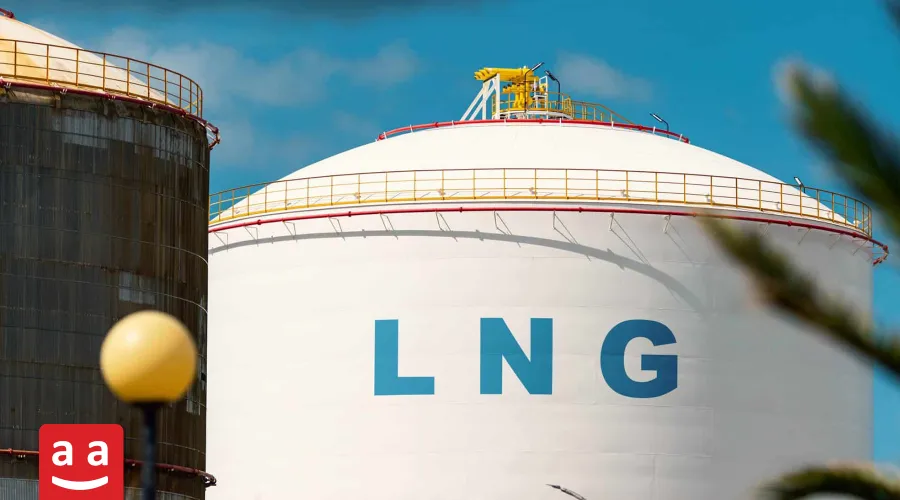
Effective use of liquefied natural gas depends on specialized infrastructure. One of the most critical components is storage tanks, which are equipped with high-performance thermal insulation to maintain the liquid at around −162°C (−260°F) and prevent long-term evaporation. They are capable of holding very large volumes of LNG for domestic use or export.
Import and export terminals are vital, with dedicated berths, loading/unloading systems, and safety equipment to ensure liquefied natural gas is transferred to ships or onshore tanks safely and efficiently.
Additionally, the transport and distribution network including LNG carriers, road tankers, and specialized pipelines—enables the safe delivery of liquefied natural gas to power plants, industrial facilities, and international markets. Developing this infrastructure not only supports global LNG trade but also contributes to large-scale environmental benefits.
Regasification of LNG
Before use, liquefied natural gas must be converted back into natural gas. This process requires careful control to prevent leaks or accidents.
Then liquefied natural gas moves from tankers to storage tanks, it is heated with steam or hot water, turning it back into its gaseous form. Specialized equipment and precise calculations are essential, as even minor mistakes can be dangerous.
A small amount of boil-off gas is produced during the process. Depending on the storage setup, boil-off gas is either re-injected, safely burned, or stored in dedicated tanks.
Advantages and Disadvantages of LNG
LNG offers several advantages, but it also comes with certain challenges. The LNG benefits and drawbacks are summarized below.

Advantages of LNG
- Lower Emissions: Burning liquefied natural gas produces less CO₂, sulfur oxides, and particulate matter compared to coal and crude oil.
- Reduced Volume: Liquefaction reduces volume by up to 600 times, making transport and storage easier.
- International Trade: Countries without gas resources can import liquefied natural gas via specialized ships, enhancing their energy security.
- Diverse Uses: Used in power generation, heavy industries, transportation, and marine fuel.
- Reliable Supply: Stable quality and combustion make liquefied natural gas a dependable energy source.

Disadvantages of LNG Uses
- High Infrastructure Cost: Building liquefaction plants, storage tanks, and liquefied natural gas carriers requires large investment.
- Advanced Technology Dependency: Maintaining liquefied natural gas at −162°C (−260°F) demands sophisticated and costly equipment.
- Safety Concerns: Despite technological advances, the risk of leaks or explosions still exists if not properly managed.
- Global Market Sensitivity: Liquefied natural gas prices are heavily influenced by geopolitical events and economic fluctuations, making long-term stability uncertain.
- Carbon Emissions: LNG is cleaner than other fossil fuels but still contributes to greenhouse gas emissions.
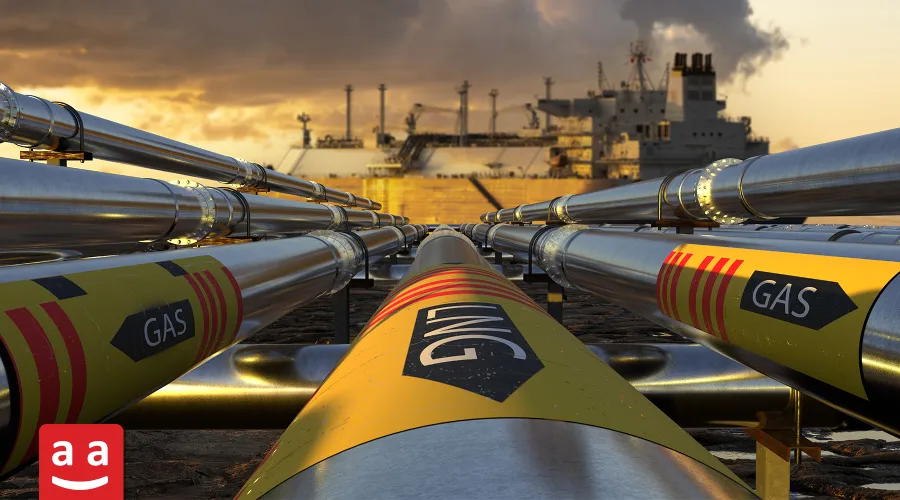
Why Is LNG Fuel Cleaner than Other Fuels?
Although LNG is chemically identical to conventional natural gas—primarily composed of methane (CH₄)—its processing, transportation, and combustion characteristics contribute to a comparatively lower environmental footprint.
Lower Carbon Dioxide Emissions
When combusted, LNG fuels produce considerably lower carbon dioxide (CO₂) emissions per unit of energy compared to coal and petroleum-based fuels—typically about 50–60% less than coal and 20–30% less than oil in power generation applications. This reduction is primarily attributed to methane’s higher hydrogen-to-carbon ratio, which enables greater energy release with comparatively lower carbon.
Reduced Nitrogen Oxides (NOₓ)
Modern LNG combustion technologies, particularly in combined-cycle gas turbines and marine engines, significantly reduce nitrogen oxide (NOₓ) emissions compared to conventional liquid fuels. This helps mitigate ground-level ozone formation and smog.
Minimal Sulfur and Particulate Emissions
In contrast to coal and heavy fuel oils, LNG contains virtually no sulfur compounds. Consequently, its combustion results in negligible sulfur dioxide (SO₂) emissions, thereby significantly reducing contributions to acid rain. Moreover, LNG combustion produces minimal particulate matter (PM), leading to improved air quality and lower public health impacts, particularly in densely populated and industrial regions.
The Strategic Role of LNG in a Sustainable Energy World
Liquefied natural gas has become a key player in the global energy market due to its low emissions, long-term storage capability, and ease of international transport. Expanding production, storage, and transportation infrastructure has created significant economic and strategic opportunities, strengthening liquefied natural gas role in national and international energy policies.
As the world moves to reduce greenhouse gas emissions, liquefied natural gas is set to play an increasingly important role in power generation, heavy industry, and sustainable transport. Ongoing investment in advanced technologies, safety measures, and infrastructure efficiency will ensure liquefied natural gas remains a reliable and clean energy source for decades to come.

Frequently Asked Questions (FAQ) about LNG
1- How is liquefied natural gas converted back into natural gas?
After being stored in specialized tanks, liquefied natural gas is converted back into natural gas at regasification terminals and then fed into pipelines for residential, industrial, and power generation use.
2- Which countries are the largest LNG producers and exporters?
Countries like Qatar, Australia, Russia, and the United States are among the top LNG producers and exporters, with extensive terminals and specialized shipping fleets serving the global market.
3- What factors affect LNG prices?
Liquefied natural gas prices are determined by a combination of production and liquefaction costs, transportation and shipping infrastructure, global supply and demand, and geopolitical and economic conditions in both exporting and importing countries.
4- Why is liquefied natural gas important for countries without natural gas resources?
Liquefied natural gas enables countries to import natural gas without relying on long pipeline networks, ensuring energy security even where domestic gas supplies are limited.
5- What is the future outlook for the liquefied natural gas market?
With rising demand for clean energy and the growth of sustainable industry and transport, the liquefied natural gas market is expected to expand significantly. Ongoing development of infrastructure and advanced technologies will support this growth, making LNG a key energy source for the future.