

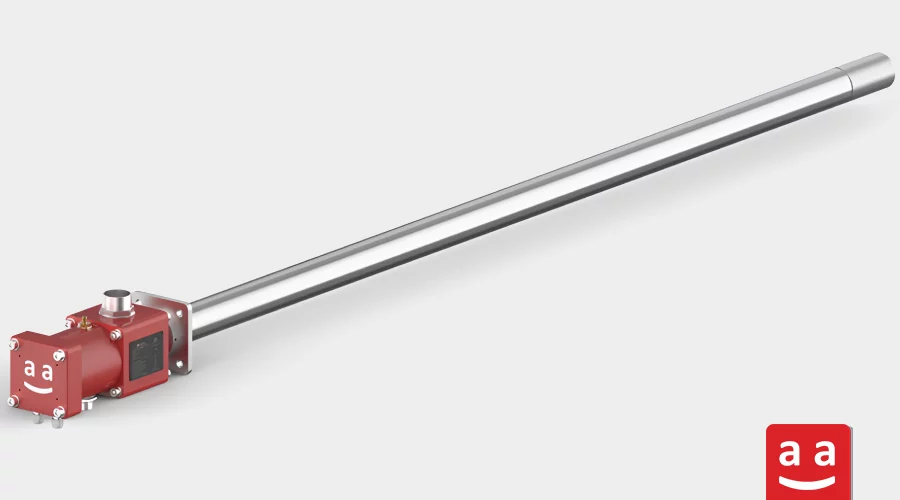
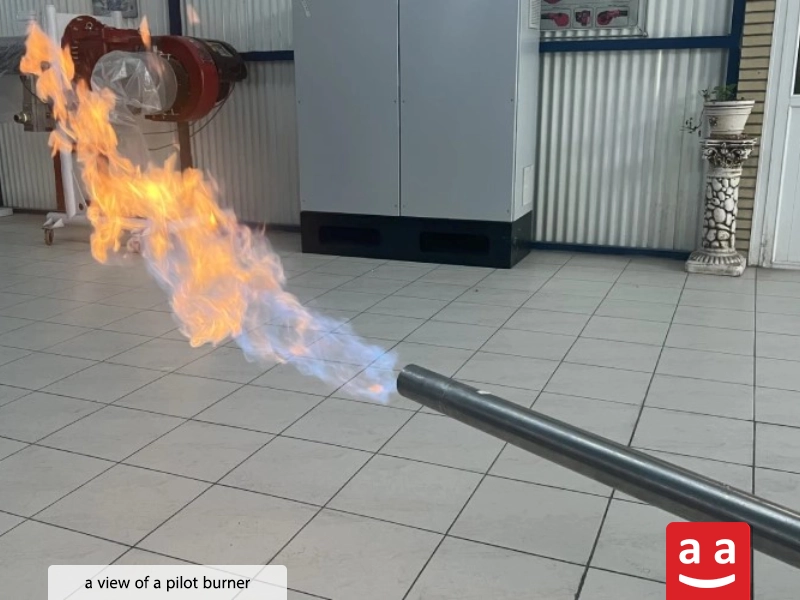
The combustion process requires three essential factors: air, fuel, and an initial energy source. In small burners, a direct ignition system can be used to initiate combustion. However, for larger burners and systems requiring higher safety, a smaller burner known as a pilot burner or igniter is used. A pilot burner in a boiler provides a reliable initial flame for safely igniting the main burner and establishing stable combustion.
A pilot burner is an independent ignition system that generates a stable pilot flame, which provides the initial energy required to ignite the main burner. A pilot burner is also commonly referred to as an igniter or, in some technical contexts, a pilot burner igniter, because its primary function is to provide the ignition source for the main burner. Depending on the application, its design may allow the pilot flame to remain continuously lit or operate only during startup.
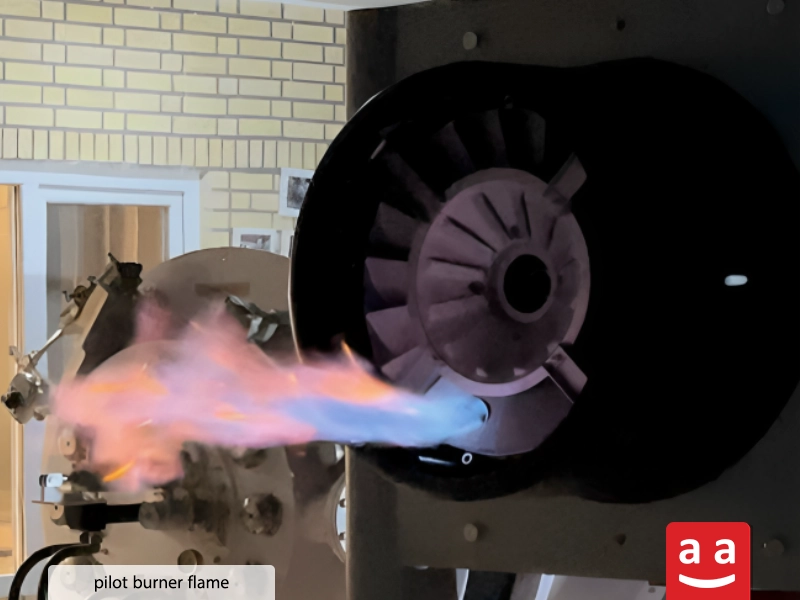
Various Types of Pilot Burner
Pilot burners (or igniters) used in industrial burners are primarily classified into two categories depending on how fuel and air are mixed:
Premixed Pilot Burner
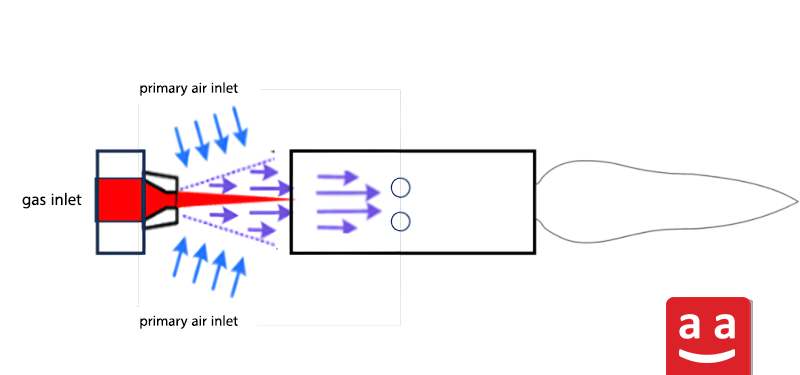
This type of burner operates by releasing gas at high speed through a small orifice, generating a fuel jet that induces combustion air through specially designed openings in the burner body. The gas-air mixture is then ignited by the ignition system, resulting in a steady flame.
In certain situations, part of the gas may combine with combustion air at the burner outlet. Regardless, this pre-mixing approach ensures a steady and consistent flame for igniting the main burner.
Since fuel and air are mixed inside the pilot before combustion in this system, there is a risk of flashback into the pilot burner. To mitigate this risk and prevent damage to the equipment, flame holders are implemented in these burners.
Raadman igniters of the premixed type can meet the pilot requirements (either continuous or intermittent) for burners, in accordance with API 535 and API 560 standards, across various capacities and lengths.
Nozzle Mix Pilot Burner
In this igniter type, fuel and air mix within the pilot combustion zone. Air is provided via compressed air or a fan, and at the combustion point, the fuel and air blend to form a flame upon ignition.
This type is commonly used for larger capacities, with some reaching up to one megawatt. This makes them a perfect option for high-capacity main burners, as they provide the required initial energy to ignite the main burner.
Raadman nozzle-mix pilot burners are produced and designed in various sizes and capacities, up to 800 kW, for a range of burner types.
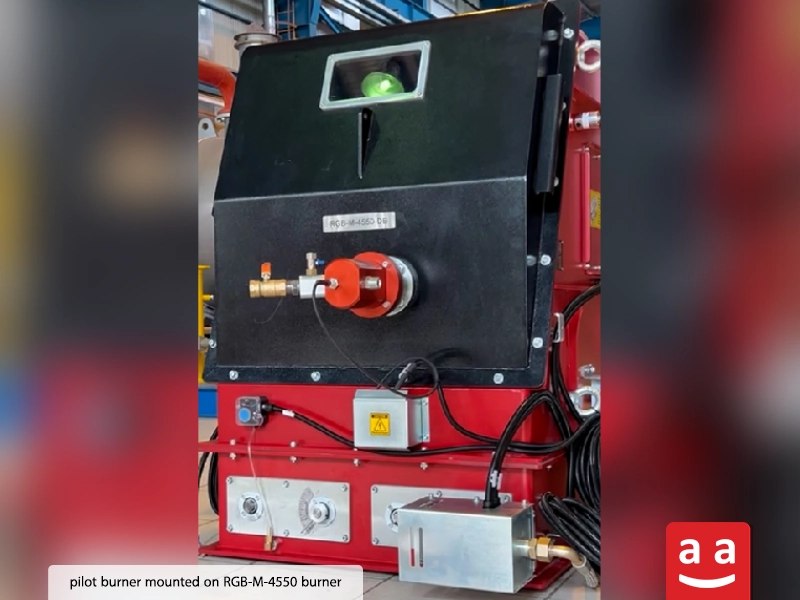
Classification Based on Fuel Type
Based on the type of fuel used, a pilot gas burner can be designed to operate with natural gas, LPG, or other gaseous fuels. Depending on the required fuel flexibility and application, pilot burners can be classified into the following types:
|
Pilot burner classification |
Typical fuel |
Typical applications / notes |
|
Gas-fired pilot burner |
Natural gas (NG) | The most common type for industrial burners and fired heaters |
|
LPG-fired pilot burner |
Propane / LPG |
Used where LPG is available or where higher heating-value gas is preferred |
|
Multi-gas pilot burner |
NG, LPG, town gas, coke-oven gas, etc. |
Designed to operate with more than one gaseous fuel |
| Dual-fuel pilot burner |
Two fuel options, typically NG/LPG or gas + liquid fuel |
Selected when fuel flexibility or backup fuel capability is required |
Classification by ignition sequence
Based on how the pilot flame is ignited and operates in relation to the main burner, pilot burners can be classified into three main types:
- Continuous Pilot (Standing Pilot): The pilot remains continuously lit, including when the main burner is not firing.
- Intermittent Pilot: The pilot is automatically ignited when the main burner is required and remains lit throughout the main burner operating cycle. It is extinguished when the cycle ends.
- Interrupted Pilot: The pilot is ignited to light the main burner but is shut off after the main burner has been established. This type is particularly relevant to larger commercial and industrial burner systems.
Components of Pilot System in Industrial Burners
pilot burners or igniters, as the starting point of the combustion process in burners, consists of various components, each playing a crucial role in creating and maintaining the flame. Below, different parts of the pilot system in burners are described.
Fuel-Air Mixer
In premix pilot burners, a mixer is used to achieve thorough mixing of fuel and air. The mixer consists of a small gas orifice, through which fuel is released at high speed, drawing air into the pilot and mixing it with the fuel. This creates a homogeneous, combustible mixture that ignites to produce a stable flame.
Combustion Head
This part includes a flame stabilizer and fuel and air nozzles. In nozzle mix burners that use compressed air or a fan for air supply, this component is responsible for mixing fuel and air at the combustion site.
In igniters, the flame stabilizer has two critical functions:
- Flame stabilization through proper distribution of gas and air flow
- Flashback prevention in premixed pilot burners
Ignition System
Ignition system is a crucial component in the pilot burner, responsible for providing the necessary initial energy for combustion. This system consists of two main parts:
Ignition Transformer
Ignition transformer serves to step up the input voltage (usually 220 or 110 volts) to a very high voltage (several thousand volts). This voltage increase establishes an adequate potential difference between the spark electrode and another conductive surface.
Ignition Electrode
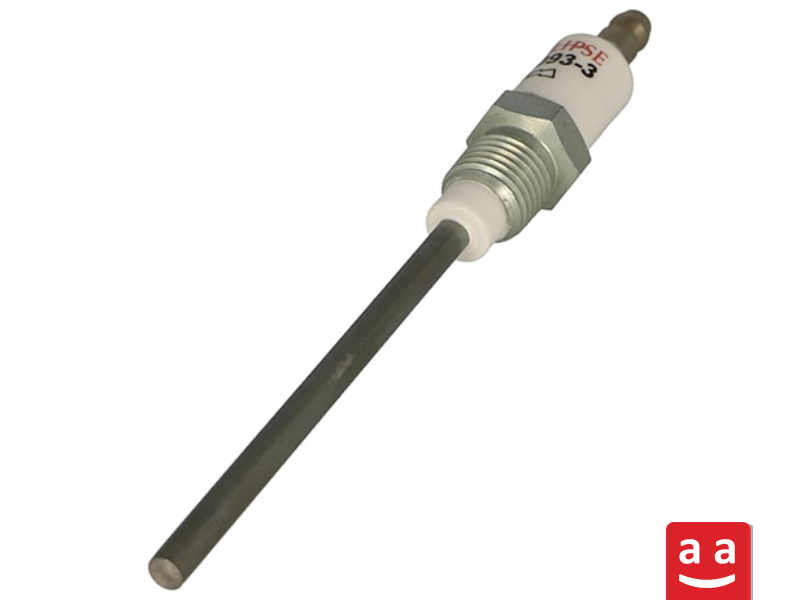
An ignition electrode is usually made from heat-resistant alloys like nickel, tungsten, or special ceramics and is placed near another metal surface (typically the burner body). When the high voltage from the transformer is applied to the electrode, a strong potential difference is created, resulting in an electrical discharge across the air gap between the electrode and the opposite surface. This discharge appears as a powerful spark, supplying the energy needed to ionize the fuel-air mixture and initiate combustion.
Flame Detection System
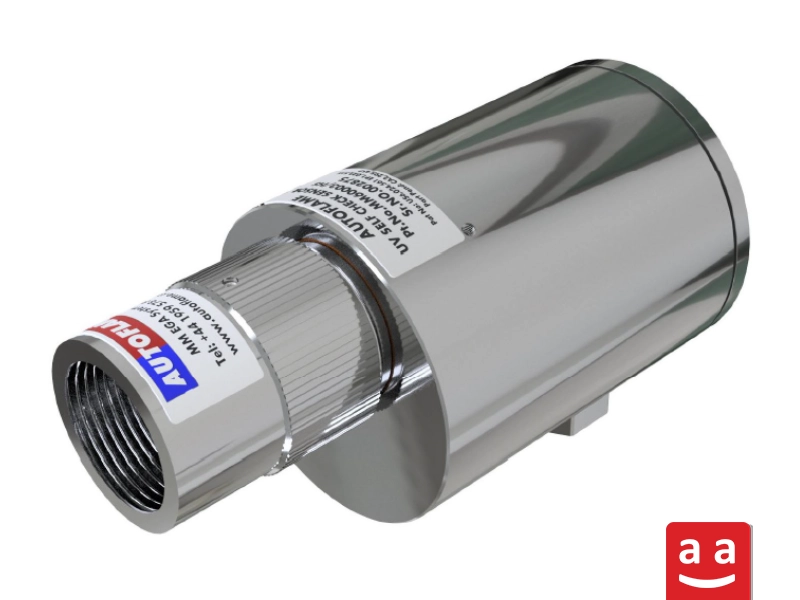
This system in igniters is designed using different approaches, depending on the application and the sensitivity of the combustion system. This system is essential for ensuring correct combustion operation and improving safety.
1- Using a flame detection sensor in the main burner
In some igniters, flame detection is performed in a non-independent manner, utilizing the same flame detection sensor for both the pilot and the main burner. When the pilot flame ignites, the main burner flame detection system identifies it and provides feedback to the controller. After confirming the flame presence, the controller issues the command to open the main burner gas valves. Once the main burner is ignited, the pilot turns off, and from that point on, the flame detection sensor only monitors the main burner flame.
2- Using an independent flame detection system in the pilot
In some igniters, the flame detection system operates independently from the main burner. Typically, this system uses an ionization rod, which detects the flame through the ionization of the combustion gases. In this setup, the pilot flame detection system sends data directly to the controller, enabling the combustion system to proceed.
Fuel Train of Pilot Burner
Igniters primarily use gaseous fuels such as natural gas (NG) or liquefied petroleum gas (LPG). The selection and design of the fuel supply train for the pilot burner are similar to those of industrial gas burners, but due to the lower capacity of the pilot and its heightened sensitivity, precise control of fuel pressure and flow rate is crucial.
Main Components of Gas Train in Pilot Burner
A standard fuel supply system in an igniter consists of the following components:
Gas Filter: Designed to eliminate solid particles and impurities from the gas stream, preventing fuel pathway blockages and enhancing the longevity of other components.
Pressure Regulator: Designed to decrease and adjust the gas pressure to match the pilot burner needs, as high pressure or pressure variations may interfere with the pilot performance.
Safety Shut-off Valve: Designed to rapidly shut off the gas supply in case of a leak, sudden flame extinction, or unsafe conditions within the combustion system.
Modulating Valve: Designed to regulate the gas flow rate accurately, ensuring suitable conditions for stable and optimized combustion.
The article titled “Gas Regulators; An Overview of 11 Different Types and the best Brands” offers thorough and complete explanations of gas line regulators. It is recommended to read this article for more information.
Forced Draft Air Supply System for Pilot Burners
Depending on the combustion air pressure needed in the pilot burner, one of the following two methods is utilized.
Blower: When high air pressure is not needed, a blower is used to provide combustion air. This method is typically employed in pilot burners with medium and low capacities and allows for the adjustment of air flow for stable combustion.
Compressed Air: In situations requiring higher pressure for combustion air, a compressed air system provided by a compressor is employed. This method is especially applicable in pilot burners operating in specific industrial conditions or environments with high safety requirements.
The Significance and Functionality of Pilot Burner System in Improving Safety and Combustion Process Efficiency
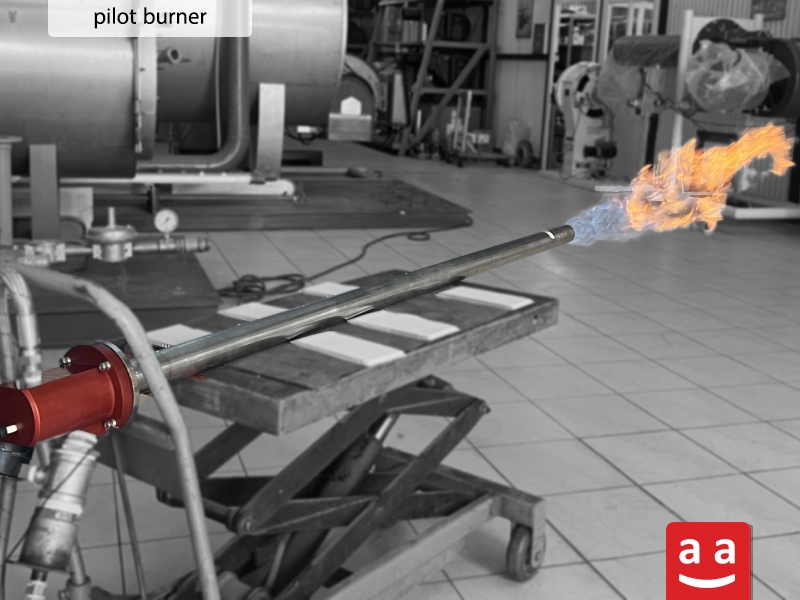
Pilot system in industrial gas burner or other type of burner not only serves as a key factor for safety and improved burner performance but also contributes significantly to optimizing the combustion process and reducing operational costs. By creating the initial flame, this system prevents issues such as incomplete combustion and unstable ignition, making the process of starting the main burner both safe and efficient. Moreover, accurate control of gas and air flow within the pilot system enhances combustion efficiency, reducing energy consumption and leading to cost savings. By minimizing wear and stress on burner components, equipment lifespan is prolonged, and maintenance needs are significantly reduced.
Raadman pilot burner system, utilizing advanced technologies, ensures reliable and safe operation under various temperatures and conditions, guaranteeing the proper combustion of gas and air in industrial systems.
Frequently Asked Questions About Pilot Burners
1- What is a pilot burner?
A pilot burner in a boiler is a small, independent burner that produces a stable initial flame to safely ignite the main burner. It provides the ignition energy needed to establish combustion and can be designed to operate continuously or only during the startup sequence.
2- What is the function of a pilot flame?
The pilot flame provides a reliable ignition source for the main burner. Once the pilot flame is established and detected, the control system can allow the main burner fuel valves to open. Depending on the ignition sequence, the pilot may remain lit during operation or shut off after the main burner flame has been established.
3- What is a pilot gas burner used for?
A pilot gas burner uses gaseous fuels such as natural gas or LPG to generate the initial flame required for igniting a larger burner. Gas-fired pilot burners are widely used in industrial burners and fired heaters, while multi-gas and dual-fuel designs can provide greater fuel flexibility.
4- What is a pilot burner igniter?
A pilot burner igniter is another term used for a pilot burner or igniter because its main purpose is to provide the ignition source for the main burner. The ignition system typically includes an ignition transformer and electrode, which generate the electrical spark required to initiate combustion.
5- What are the main types of pilot burners?
Pilot burners can be classified in several ways. Based on fuel-air mixing, the main types are premixed pilot burners and nozzle-mix pilot burners. They can also be classified according to fuel type, such as gas-fired, LPG-fired, multi-gas, and dual-fuel pilot burners, or according to their ignition sequence as continuous, intermittent, and interrupted pilots.